
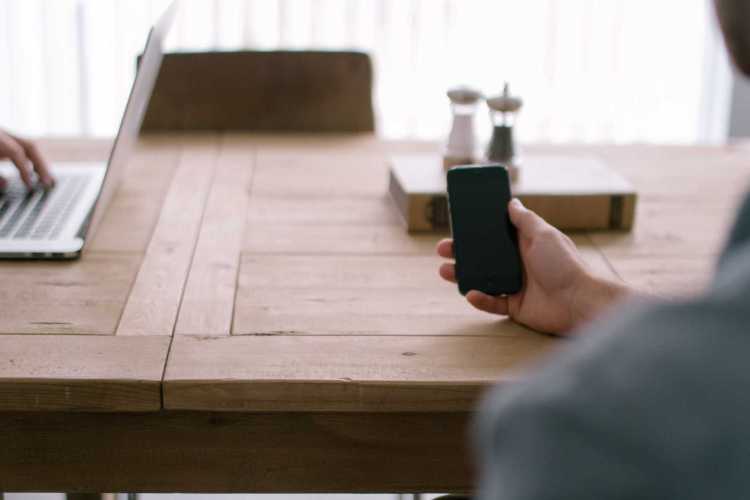
Not waves — the Internet. Too much of any light after the sun goes down can mess up your sleep, which is linked to diabetes, obesity, heart disease, and other health problems. And the “blue light” your smartphone gives off is especially bad.
Precautions for avoiding mobile problem’s.
What’s the problem?
Our challenge now is to work out how to manage the role of such devices within our lives, and so far many of us have not been very good at doing this.
We’re not just talking here about the obvious dangers to our health of getting distracted by the use of smartphones, even though this is a major concern in itself – for example, research by road safety charity Brake found that around half of drivers aged between 25 and 34 are taking huge risks by (illegally) texting, using apps or going online on their mobiles when they are behind the wheel.
The problems we’ll focus on here are the broader issues of how smartphones absorb our attention, occupy our head space and change our behaviour.
a. We crave stimulation
If you look around a train carriage, waiting room, airport or any other place where people are sitting without a specific purpose, you are likely to find most of them looking at their smartphones. Whether emailing, playing, watching or messaging, they will be absorbed in a screen, rather than embracing the opportunity for a pause in giving their attention to something.
As soon as there is a second where we are not occupied or stimulated by things in the ‘real world’ we seem to instantly reach for our smartphones. This may now be out of habit rather than anything else, but it may have originally emerged out of a fear of boredom or a need to be constantly entertained or stimulated. Either way, this seems unlikely to be good for us as we’re starting to crave constant stimulation in our lives – even if the stimulation has no value or real benefit to us whatsoever. To put it crudely, it’s as if we’re a group of mindless animals who are only happy when something sparkly is being waved in our faces.
By habitually seeking stimulation and distraction through our smartphones, we are missing out on the important opportunity to unplug ourselves from the world, give our brains a rest and actually have some peace and quiet. Sometimes it’s good to sit quietly, stare out of the window and, yes, even be bored for a bit.
b. We’re disconnected from the real world
Our absorption in smartphones can disengage us from the real world. This is part of a much broader issue surrounding the development of digital and virtual technology but it still stands as a concern, as the reality around us is the thing we actually need to live in and look after, and becoming too immersed in a world of distraction and fantasy could make us less concerned about valuing things in the real world – including our relationships, environment and direction of our own lives.
c. We’re taking our attention away from each other
This point is connected to the previous one but it is worth exploring further. Many people choose to engage with their smartphones rather than engaging with each other, even when they are face-to-face with them (for example, checking their phone in the middle of a conversation). In other words, the smartphone ‘trumps’ our attention above the people in front of us.
This might seem harmless enough if both parties are happy with that situation, but it can cause problems – first, it can exacerbate our habit of failing to pay proper attention to people or be involved in activities. Second, at the very least it shows a lack of respect for other people – an important value in building a civilised society.
Third, in a lot of cases at least one party is missing out on the other’s full attention and may be unhappy with it or this may be causing a problem. This may apply to a range of situations, including families, education, friendships and relationships. As the Deloitte report notes, “A third of all 18–24 year olds noted that their excessive use of smartphones had caused disagreements with their partners (see Figure 7). For 25–34 year olds the proportion was even higher, at 38 per cent.”
This is a particularly important point for us when we occupy certain roles, and the most obvious of these is as parents. If we are immersed in checking our smartphones rather than engaging with our children (which, anecdotal evidence suggests, happens a great deal), then are we at risk of neglecting their needs for encouragement and full attention, to help them develop into loved, confident, attentive adults?
 Healthy tips
i’m agree with it……..
LikeLiked by 1 person
Thanks & keep visiting
LikeLike